When the heat goes out in Yakima, WA, the clock starts running, and the diagnosis depends entirely on what kind of system is doing the failing. On a gas furnace, the most common no-heat call we run is a flame sensor coated in oxide: the burners light, the sensor cannot prove the flame, and the board shuts the gas down after the third attempt and locks out. Close behind come cracked hot surface igniters, stuck pressure switches, clogged condensate traps on high-efficiency models, and blower motors that have quietly worn out. Heat pumps fail differently: a weak defrost cycle leaves the outdoor coil buried under frost, a failed reversing valve strands the system in cooling, and a dead outdoor unit leaves the electric backup strips carrying the whole house at several times the operating cost.
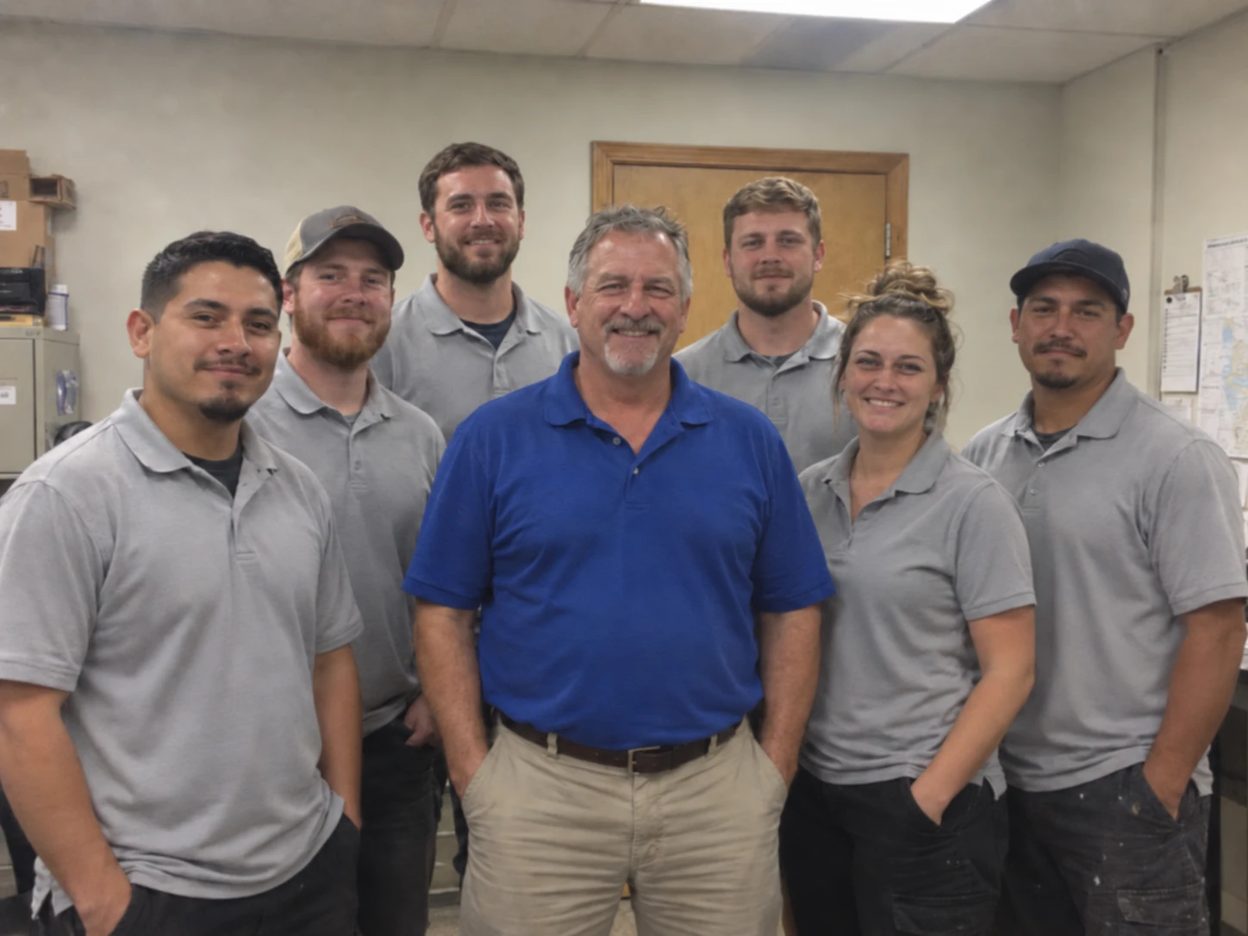
Guessing gets expensive on a cold night, so Yakima HVAC handles every heating call as a diagnosis first and a repair second. Our experienced technicians measure before they replace anything: microamp flame signal, igniter resistance, pressure switch response to actual inducer draft, capacitor and motor readings, plus charge and defrost checks when the system is a heat pump. On gas equipment, safety checks are part of the routine, not an add-on. Gas connections are leak-tested, the heat exchanger is inspected, and venting is verified, because warm air from an unsafe furnace is not a fix.
Furnace, heat pump, air handler, boiler, or ductless unit, from any major brand, we service it. Stocking igniters, flame sensors, capacitors, inducer motors, and blower motors on every truck means most homes are warm again the same visit. And if a repair no longer makes sense for aging equipment, we will be honest about that and lay out the options with real numbers. Call (253) 660-5076 for heating repair anywhere in Yakima, and we will get the warm air moving today.
Our most requested repair is Furnace Repair in Yakima. Start there if your system isn't running right.
Warning Signs for Heating Repair
Recognizing the warning signs early can save you time, money, and prevent significant damage to your property. Watch for these telltale signs that professional help is needed:
- No warm air at the registers even with the heat turned up
- Cold rooms in one part of the house while others are comfortable
- Higher heating bills with less comfort to show for them
- Frequent on-off cycles that never bring rooms up to temperature
- A heat pump's outdoor unit encased in frost or ice
- A furnace that tries to light, clicks, and then quits
- Booming or banging at ignition, a sign of delayed burner light-off
- A rotten-egg, burning, or musty smell once the heat kicks on
Early Action Saves Money
A failing capacitor, clogged condensate drain, or dirty flame sensor rarely fixes itself and usually gets more expensive to address the longer it runs. At the first hint of a problem, reach out to Yakima HVAC at (253) 660-5076 for a fast inspection.
Heating Repair FAQ
Why Professional Heating Repair Matters
Combustion is what makes heating repair different from the rest of home comfort work. Delayed ignition booms unburned gas inside the heat exchanger and stresses the metal each time it happens. A cracked exchanger can leak combustion gases into the air your family breathes, and a flue that stops drafting pushes carbon monoxide into the living space instead of outdoors. None of these problems make themselves obvious to someone without training and instruments. Diagnosis has its own traps as well. Short cycling can point to a failing limit switch or to a furnace protecting itself from a clogged filter, and cleaning a fouled flame sensor without asking why simply sets up the next lockout.
That is why Yakima HVAC does not guess. Our technicians read flame signal on a meter, look at the heat exchanger directly, confirm the flue is drafting, and compare temperature rise to the data plate so the blower and the fire are properly matched. On heat pumps we check defrost controls, sensors, and the reversing valve before blaming the compressor, and we find out whether the electric backup heat has been running in the background and driving up your costs. Nothing is called fixed until it has run a full cycle and proven itself safe and correct, because that is what the machine heating your home deserves.
How Our Heating Repair Works
We follow a proven process to ensure every repair and installation is completed to the highest standards. Here's exactly how the heating repair process unfolds:
Diagnosis & Safety Inspection
Each call begins with measurements, not guesses: flame signal, igniter resistance, pressure switch response, and motor and capacitor health, plus refrigerant charge and defrost on heat pumps. Gas connections are leak-tested as a matter of course.
Findings & Upfront Pricing
You see the failed part and hear exactly why it failed, then get a firm price before any work starts. When a cracked heat exchanger or failed compressor makes replacement the smarter move, we tell you directly.
Expert Repair
Igniters, flame sensors, pressure switches, capacitors, and motors ride on our trucks, so most heating repairs are completed the same visit and the house starts warming before we leave.
Final Testing
A repair is not done until the system proves itself. That means full cycles, temperature rise checked against the data plate, combustion and draft confirmed on gas equipment, and every safety control verified.
Questions About Heating Repair?
We provide honest advice and upfront pricing on all heating repair work.
Call (253) 660-5076 NowHow to Prevent Heating Repair Problems
A little routine maintenance goes a long way toward avoiding a mid-season breakdown. Here are our expert recommendations:
- Make sure every level has a working carbon monoxide detector, and test it monthly
- Keep chlorine products, paints, and solvents away from the furnace, because their fumes corrode burners
- Replace filters monthly through the heating season to keep airflow strong and the heat exchanger from overheating
- Book a fall tune-up so worn parts are caught before the first cold night
- Keep the area around the furnace clear so the burner gets adequate combustion air
- Take booming ignition or new rattles seriously; both are cheap to fix early and expensive late
- Give the outdoor heat pump unit open space, free of snow drifts and plantings, so it can defrost
Should You DIY or Call a Pro?
Some simple checks are suitable for DIY, but most heating and cooling repairs benefit from professional tools, training, and experience. Consider the following comparison:
| Factor | DIY Attempt | Professional Service |
|---|---|---|
| Carbon Monoxide | Invisible risk goes unchecked | Exchanger inspected, flue draft confirmed |
| Diagnosis | Parts swapped on a hunch | Every component tested with a meter |
| Gas Connections | A loose fitting goes unnoticed | Connections leak-tested with instruments |
| Heat Pumps | An iced coil blamed on the compressor | Defrost controls and reversing valve tested |
| Underlying Cause | Quick fix, same failure next week | Cause found, not just the symptom |
| Verification | It lit once, good enough | Full cycles run, temperature rise confirmed |
Schedule Your Heating Repair Service
Every day you wait puts more strain on a struggling unit. Get Yakima HVAC on the job today.
Call (253) 660-5076 TodayAreas We Serve for Heating Repair
We serve Yakima and its neighboring communities for heating repair, from quick same-day repairs to planned installs.